


Bonus Season Reality Check for Medical Practice Owners
Writing bonus checks off the bank balance can look fine in December and still squeeze January. Once a medical practice crosses about $400k in revenue, three numbers matter more than the account balance.
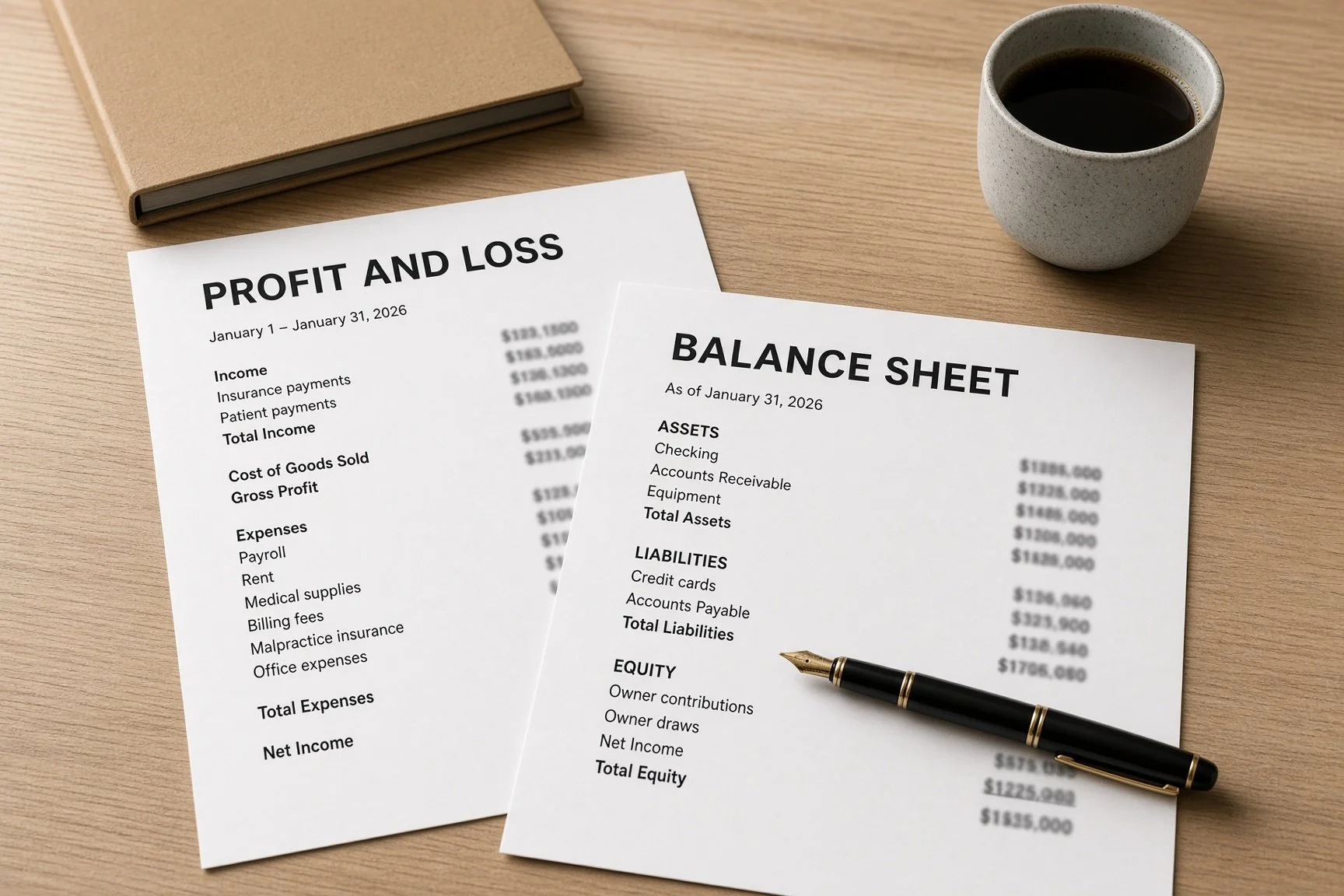
If You Don’t Read the Reports, You May Be Trusting the Wrong Numbers (for small medical practices)
Once a month, open the P&L and the Balance Sheet. Check whether the lines match the practice you actually run.

Contractor Invoices and Job Files: What to Keep and What Gets You Paid
The app sent the invoice. The glove box kept the receipts. Here is what belongs in the job file so you actually get paid and the books can explain the year.

W-2 Crew vs “Just a Sub”: What a House Builder Gets Wrong
In New York construction, most people who work for you start as employees. A 1099 does not change that.

NY Sales Tax for Contractors: When You Charge It and When You Don’t
New York does not tax every contractor invoice the same way. See how repair, maintenance, and installation differ from a capital improvement, and when Form ST-124 belongs on the job.

Don’t Blindly Sign Your Tax Return — Check Schedule C First
You don’t prepare the return. Check three lines on Schedule C, the extra list at the bottom, and whether your health premiums made it onto the personal return before you sign.

What an LLC Protects (and What It Doesn’t)
An LLC (Limited Liability Company) can put a wall between business problems and your personal assets. It is not a force field. Here is what it covers, what it doesn’t, and 10 questions to ask before you choose.

Sole Proprietor or LLC? Same Federal Tax.
LLC stands for Limited Liability Company. A single-member LLC and a sole proprietorship are taxed the same until you elect S-Corp or C-Corp treatment. Forming an LLC is not a tax cut.

Owner’s Draw ≠ Business Expense (For solo medical practices and small contractors)
Many solo medical practices and small contractors mix personal and business expenses in QuickBooks, making it hard for their tax accountant to spot deductible items. Learn a simple way to keep everything clean while still capturing medical premiums, retirement contributions, and vehicle costs for year-end tax planning.

The Quiet Cost of Pocketing Those Cash Payments
Many small business owners pocket cash payments to keep their tax bill lower. It feels practical in the moment, but it can quietly limit financing, growth, retirement savings, and help when life suddenly changes.

Lease, Finance, or Pay Cash? How Your Choice Affects Your Business Vehicle Tax Deduction
Understand the pros and cons of the standard mileage rate versus actual expenses—plus how leasing, financing, or paying cash affects your deduction and what records you need to keep.
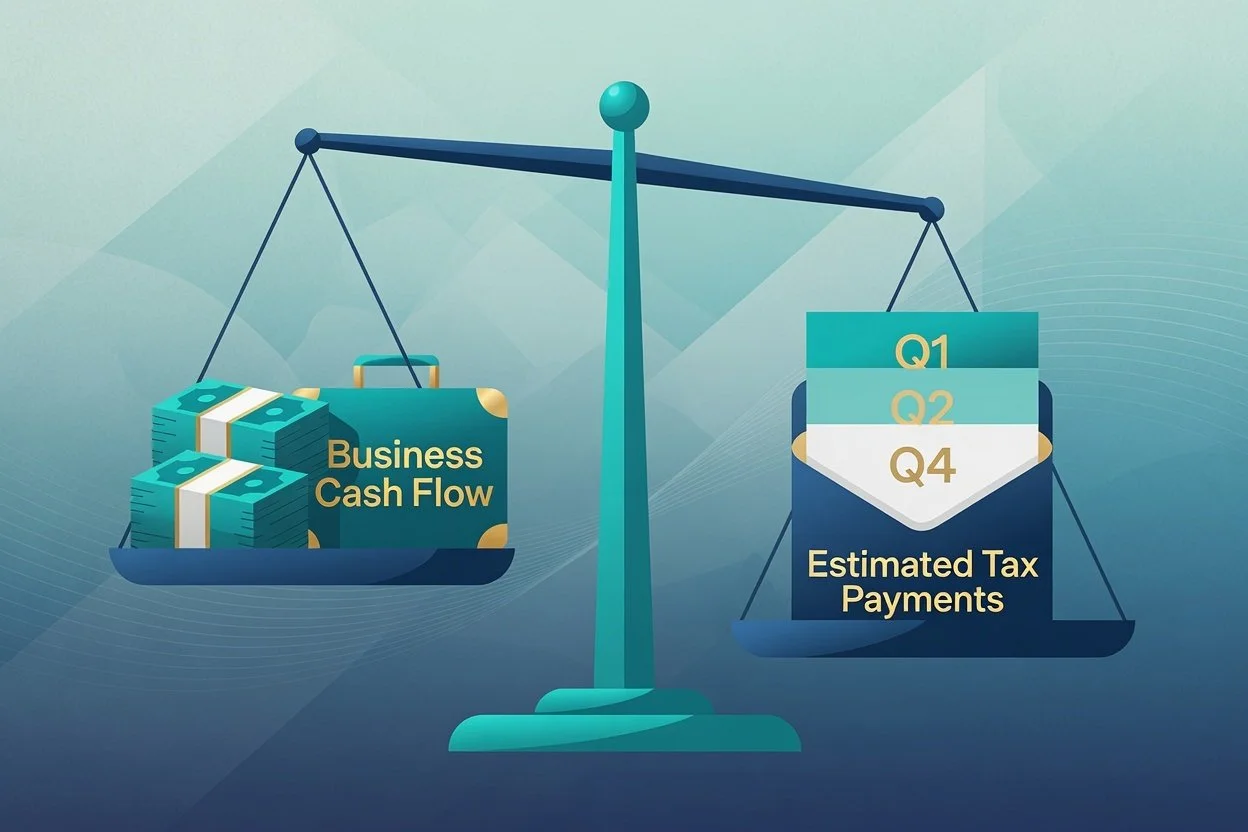
New Business Owners: Even When Cash Feels Tight, You Still Need to Make Estimated Tax Payments
New business owners often skip estimated tax payments when cash feels tight. Here’s why that creates costly penalties and how a simple cash-flow budget prevents them.

Why ‘Anyone Can Do the Books Costs You Thousands
Messy books rarely cause problems today, but they quietly cost small businesses thousands in lost deductions and higher tax fees. Here’s why quality bookkeeping actually matters.
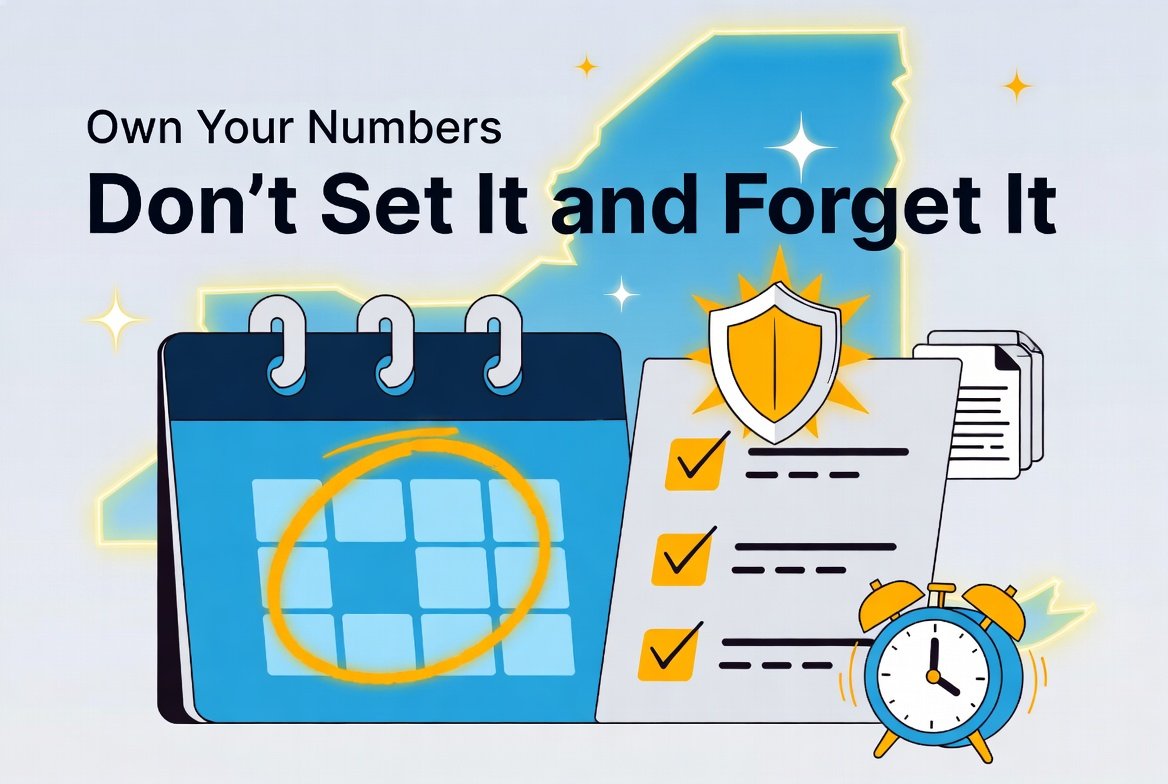
Don’t Just “Set It and Forget It”: Why Your New York LLC Needs Ongoing Attention
Don’t Set It and Forget It: Stay on top of your New York LLC/PLLC Biennial Statement and ongoing compliance requirements.
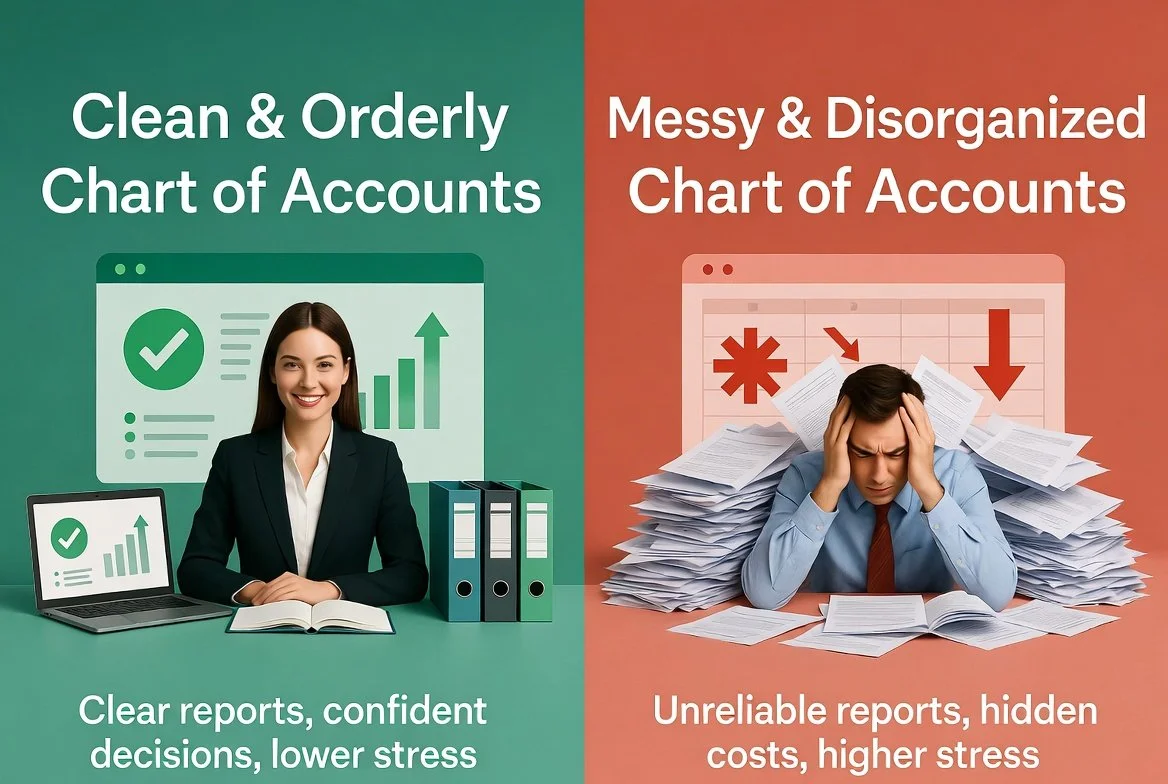
Clean vs. Messy Chart of Accounts: Why Structure Wins for Small Businesses
Your chart of accounts quietly shapes every financial decision you make. A clean, logical structure gives you accurate reports, better visibility into profitability, and far less stress at tax time or during major business decisions. A messy one does the opposite. This post breaks down the real difference and why it’s worth fixing.